
Building trust and continuity in research engagement: London’s Research Engagement Networks come together to shape the future
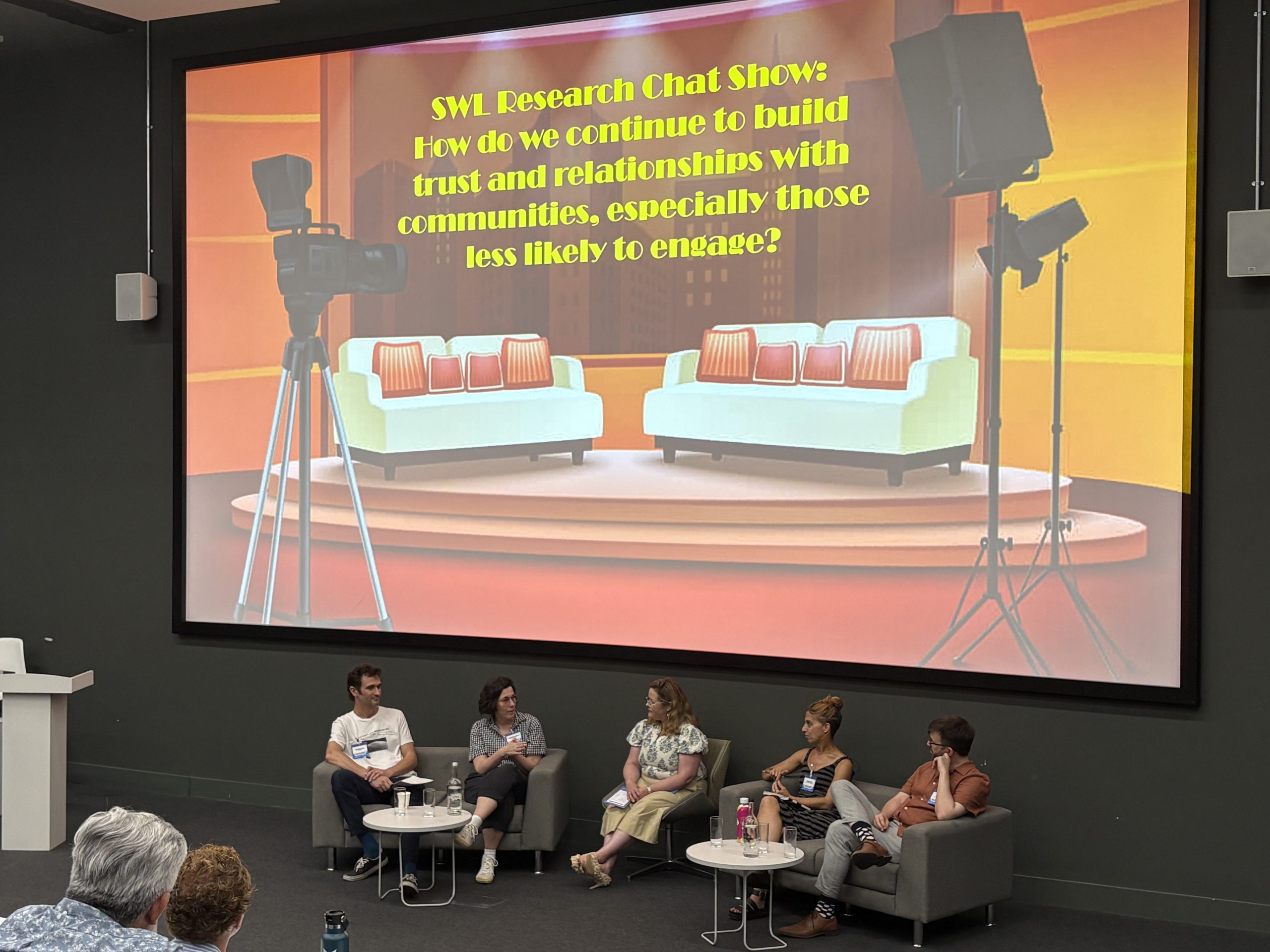
Representatives from Research Engagement Networks (RENs) across London came together for the first London-wide REN event, creating an opportunity to celebrate achievements, exchange learning and shape the future of inclusive research engagement across the capital.
Since 2023, NHS England and the National Institute for Health and Care Research (NIHR) have funded Research Engagement Networks across England to help more people understand, access and participate in health and care research. While every Integrated Care System (ICS) has developed its network to reflect the needs of local communities, all share the same ambition: ensuring research is accessible, relevant and representative of the people it aims to serve.
Hosted around the theme Building Trust and Continuity in Research Engagement, the event brought together researchers, NHS colleagues, local authorities, voluntary sector organisations and community leaders to explore how long-term relationships with communities can become the foundation of better research.
Through research cafés, interactive discussions and a live Research Chat Show, delegates reflected on what has been achieved so far while identifying practical ways to strengthen collaboration across London.
One shared ambition, many different approaches
One of the strongest messages throughout the day was that while every Research Engagement Network is working towards the same goal, there is no single model for success.
Across London, networks are engaging communities in ways that reflect their local populations, cultures and priorities, demonstrating that meaningful engagement must be designed with communities rather than delivered to them.
Catherine Heffernan, Director of Health Improvement at South West London Integrated Care Board, said the event highlighted both the common purpose and diversity of approaches across the capital.
“Whilst we all share the common belief of engaging people in research and reaching people who aren’t normally included, we’re approaching it in very different ways. It shows that you really do have to adapt locally and listen to what your local populations are saying and asking for.”
Bringing these different approaches together created valuable opportunities to learn from one another and identify ideas that could be adapted elsewhere.
Building trust takes time
Throughout the discussions, one theme repeatedly surfaced: trust cannot be created through short-term projects.
Whether engaging communities that have historically been excluded from research or developing new partnerships with voluntary organisations, delegates agreed that lasting relationships require consistency, listening and ongoing investment.
Reflecting on the discussions, Catherine explained:
“When you’re talking about research, you need to grow it. It has to organically grow, it really is about building that trust, building that relationship, and that takes time.”
Monique Tartula-Lyons, Local Authority Research Practitioner for Richmond and Wandsworth and Research Support Network Manager for South West London, echoed that message, highlighting the challenge of balancing long-term relationship building with limited resources.
“Trust is so important. How do we build that trust, which needs a long time, with a limited pot? We have to make sure we’re not just doing something quick and once, because that’s not going to build the trust that communities need.”
Instead, delegates discussed the importance of tailoring engagement to individual communities rather than relying on a one-size-fits-all approach.
Learning from each other
The event also demonstrated the value of creating space for people working across London’s research engagement landscape to share ideas, compare approaches and spark new collaborations.
For Caroline Rouse, from Compost London, a voluntary sector partner in the North East London REN, one of the greatest benefits was seeing the wider picture beyond her own network.
“It’s only when we come to something like this that you realise we’re not unique. Other people are doing similar things in different ways, and you can pick up ideas that make your own practice better.”
The research cafés, presentations and informal networking sessions all created opportunities for delegates to explore how different models of engagement could be adapted for their own communities.
Monique added that these conversations are essential to strengthening research engagement across London.
“It’s so important not only to do this work, but also to reflect on it, hear what other people are doing and think about what we’re aiming to do in the future.”
Turning conversations into action
While the day celebrated the progress made by London’s Research Engagement Networks, there was also a clear focus on what comes next.
Delegates discussed how stronger collaboration across networks could help spread good practice, build confidence and create more consistent opportunities for communities to engage with research.
That spirit of collaboration reflects the purpose of the London-wide event: not simply sharing success stories but creating stronger connections that will help research engagement continue to evolve across the capital.
Looking ahead
As Research Engagement Networks continue to mature, the event demonstrated how much can be achieved by bringing together the people and organisations working closest to London’s communities.
By sharing experiences, learning from different approaches and committing to long-term relationships built on trust, London’s RENs are laying the foundations for research that is more inclusive, more representative and ultimately more impactful.