Cableduct shapes its next generation of products through the Circular Economy Programme
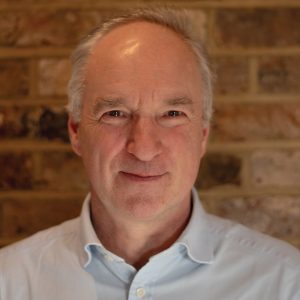
Seeking expert guidance to advance their sustainability goals and refine their product development pipeline, Christopher Knollys, Managing Director at Cableduct, joined BIG South London and London South Bank University’s Circular Economy Programme.
With more than 50 years of manufacturing experience, Cableduct wanted to explore new product ideas, strengthen its sustainability efforts and access the specialist expertise needed to turn more ideas into reality.
We caught up with Christopher to find out how the programme has helped shape the company’s next generation of products.
“As a family business, we’ve been manufacturing in the UK for 53 years now. We’re really proud of that, and that’s what customers find reassuring as well. They associate that with being able to solve their problems.
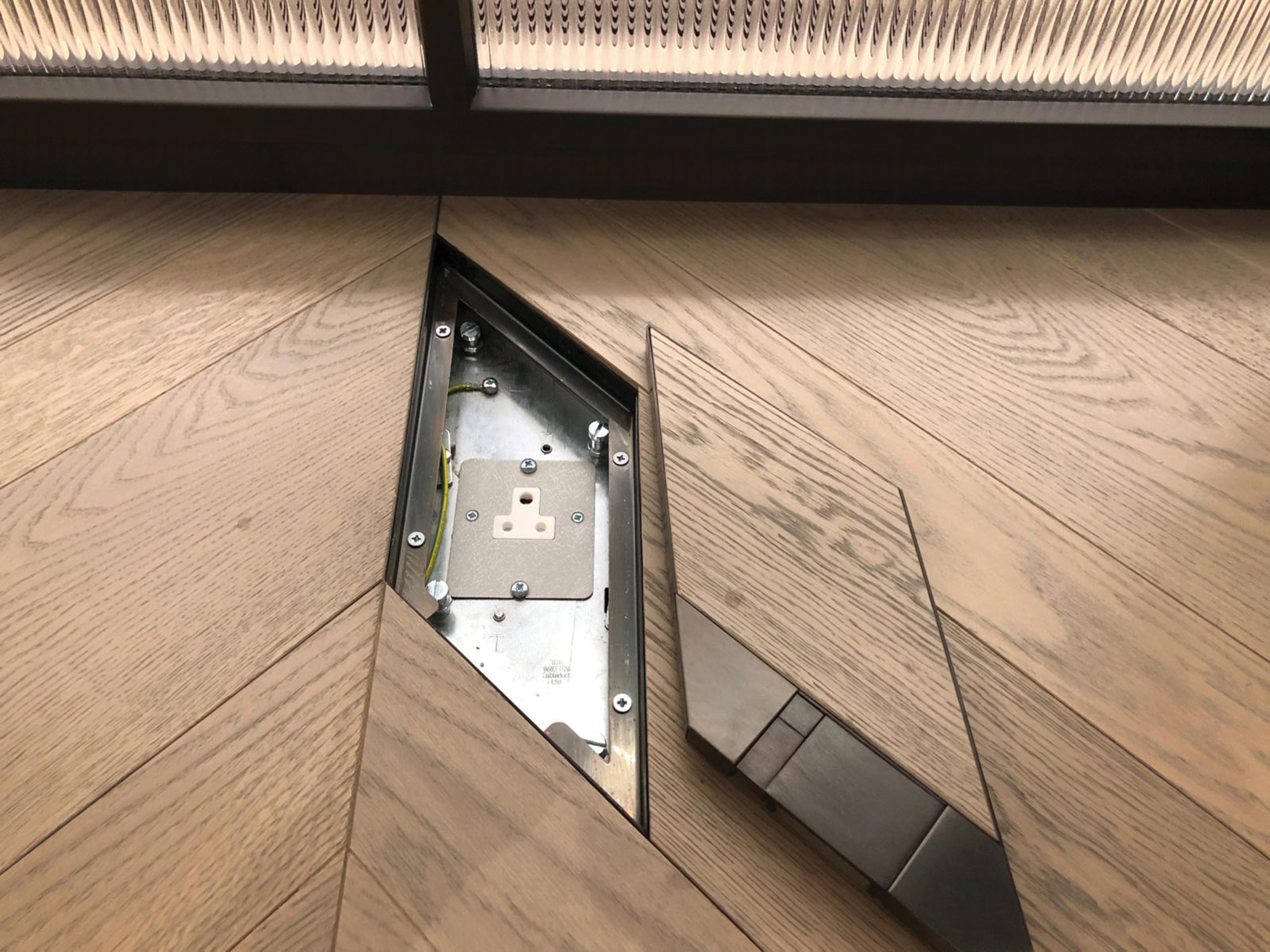
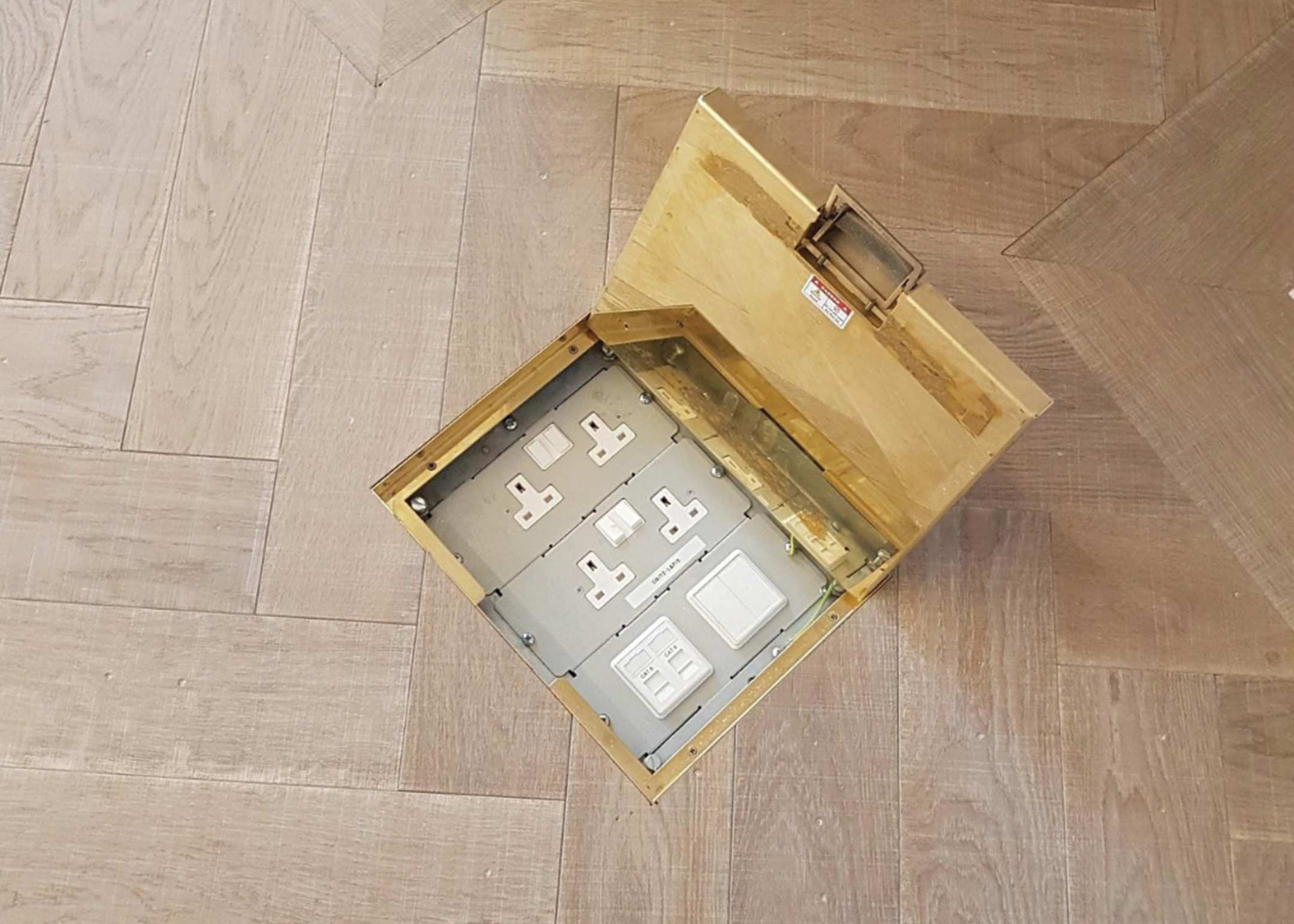
“Our main product lines are cable management solutions, including trunking that goes under or over the floor, but floor boxes are our major area because that’s the bit people actually use day to day. That’s what the end users really care about.
“We work primarily with specifiers, and we’re very lucky to be specified on some fantastic projects because they really see the engineering quality and aesthetics of our products. We work across hospitality, premium retail, offices and heritage buildings, supplying organisations and landmarks such as Selfridges, Harrods, The Savoy, Buckingham Palace and the London Library.
“What really sets us apart is our people. We’re really proud of them, and they’re proud of the outstanding service and quality they produce every day. We have CNC machines and the latest technology, but ultimately, it’s our people who hand-finish every product and support customers from the first enquiry through to delivery.
“Innovation has always been important to us. We’d already worked with LSBU through the Knowledge Transfer Partnership Programme, where we carried out research with more than 50 specifiers to understand exactly what they wanted. That research helped us develop an upgraded version of our Series 2000 floor box and ultimately led to us winning an Innovation Excellence Award.
“When BIG South London and LSBU approached us about the Circular Economy Programme at a local event, it really struck a chord. We knew we needed to change gear and build more momentum around product development, but like many businesses, we’re so busy day to day that we needed someone to help us do that.
“We’d worked with LSBU before, and it had gone really well, so we wanted to gain access to extra resources, the academic world, and its high-level knowledge and skills. We’re very good at what we do, but we knew we needed outside expertise. Their fresh, non-commercial way of looking at things was exactly what we were looking for.
“One of the biggest reasons for joining the programme was sustainability. As Managing Director, I’m now also responsible for sustainability, so it was important for us to get better at understanding the circular economy.
“We discovered that we were already doing some things really well without necessarily realising it, but there were other areas where we could improve. Our products are made from stainless steel and brass, which are durable materials that can last for 20 to 25 years, but customers are increasingly asking us for evidence about sustainability.
“During the programme, the LSBU team broke down our products and gave us much better insight into their environmental performance. That means we can now talk much more authoritatively and confidently with customers and reassure them with the evidence they’re looking for.
“Alongside that, we wanted to test some completely new product ideas. We’d been harvesting lots of ideas internally and from customer feedback, but we’ve just got to find the time, resource, skills and knowledge to develop them. Products don’t always work, so we didn’t want to commit significant time and money without knowing whether our ideas had a real chance. The programme gave us that confidence.
“We wanted to know whether the ideas would add value and be viable, and through our collaboration with LSBU we decided they were. It gave us the confidence to find the money to spend, and we knew we could work with a design agency to take the project through to the next stage. We found it was possible and we’re getting very close to a final product.
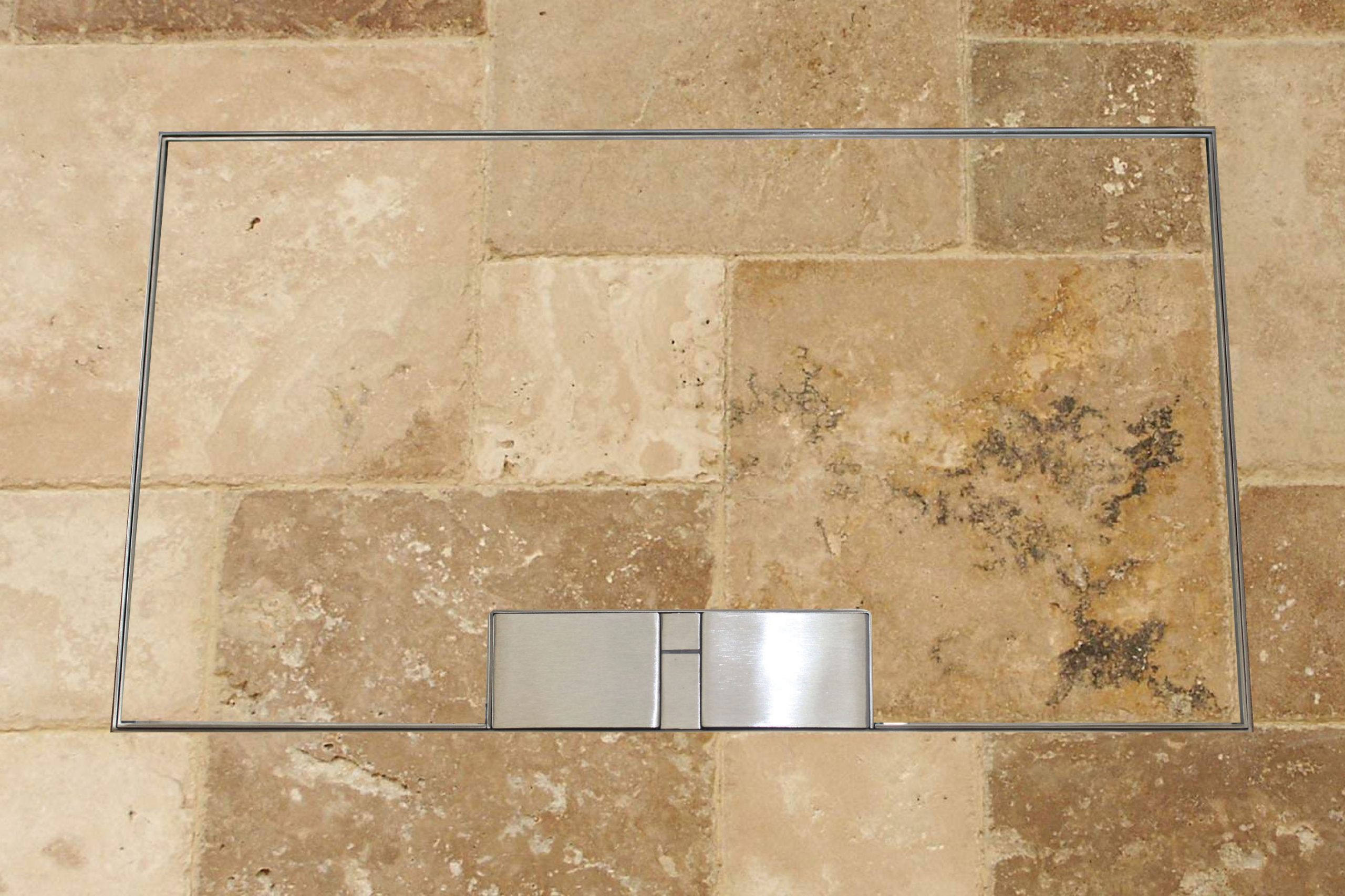
“More than anything, the programme got our product development pipeline going. We saw that we could access outside expertise, make it work and move ideas forward.
“As an engineering company, we spend a lot of time talking to specifiers, and it’s useful to know they want innovative products from us. If they tell us what they want, we want to be able to say, “We’ve done this for you.” That’s really important for our future growth, and this programme unblocked it and got us going.
“I’d definitely recommend the Circular Economy Programme to other businesses. The project team did really well, and working with the academics and technical staff gave us real momentum. It was professionally and comprehensively scoped out, so everyone understood what could be achieved within the time available, and we maintained that momentum throughout.
“We didn’t expect to complete everything during the programme, but we achieved our goals and came away with a clear direction for what comes next.
“Looking ahead, it’s still about product development and bringing more innovative products to market. By getting used to working with external experts and design agencies, we’ll become better at developing products that are close to what we do now, while building the confidence, expertise and skills to move into new product areas in the future.
“We’re already strong in the UK, but we also want to take these products into global markets and increase our exports. We know we need to keep going forward and building for the future, and this programme really crystallised that for us.”
Professor Deborah Andrews, Academic Lead for the Circular Economy Programme and Professor in Sustainability and Circularity at LSBU, commented on the project: “The collaboration with Cableduct brought together hands-on engineering expertise and sustainability research to advance two of the company’s key priorities.
“Cableduct had already taken important steps through its Environmental and Sustainability Policies, and the programme gave us the opportunity to build on that commitment with materials comparison, indicative life cycle assessment and circular product design recommendations.”
“The collaboration provided an opportunity to apply and extend academic expertise in product design, prototyping, and life cycle assessment in a real-world industrial context. It also demonstrated LSBU’s capability to support SME product development through hands-on R&D, strengthening the university’s relationship with the local manufacturing sector.”
Daniele Di Paolo, Research and Teaching Assistant in Product Design at LSBU, added: “From a product development perspective, the project was a valuable opportunity to translate an early-stage soft-close lid mechanism concept into something that could be physically tested. The test rig and findings gave Cableduct a clearer understanding of the mechanism’s potential, with the rotary damper and ramped rack concept identified as a promising direction for future refinement.”
With a clear roadmap in place, the company is poised to bring its latest innovations to market while exploring new opportunities for growth at home and overseas.
About the Circular Economy Programme
The BIG South London Circular Economy Programme is an initiative led by Professor Deborah Andrews and the team at London South Bank University (LSBU) fully funded by the UK government’s UK Shared Prosperity Fund (UKSPF). Through practical online workshops and direct access to academic expertise, the programme helps South London businesses, charities and social enterprises develop circular economy products and services, explore sustainable design principles, test new ideas and accelerate innovation.
Find out more about the Circular Economy Programme
Christopher Knollys Bio
Christopher Knollys is Managing Director of Cableduct, a family-owned manufacturer of premium cable management solutions based in South London.
Passionate about engineering excellence, innovation and sustainability, Christopher has led the company’s work with London South Bank University to develop new products, strengthen its circular economy practices and support the future growth of British manufacturing.